GEOGRAPHY & SOIL
Read Region Guide →
European Regions
Understand how geography, weather, and trade routes shape Mediterranean, Iberian, Alpine, Scandinavian, and Central European cooking.
European food is not a single monolith. It is an intricate mosaic of microclimates, mountain valleys, coastal trade routes, and farming wisdom passed down through generations.
From the olive groves of the Mediterranean to the rye fields of the Baltic coast, discover the dishes, ingredients, and everyday customs that give each European territory its unmistakable flavor.
Atlas Reference Index
Documenting over 40 distinct regional culinary territories, ancestral food crafts, and pantry essentials across the continent.
Explore our five comprehensive guides designed for first-time discoverers and passionate culinary travelers alike.
Understand how geography, weather, and trade routes shape Mediterranean, Iberian, Alpine, Scandinavian, and Central European cooking.
Clear explanations of classic dishes from Paella and Ratatouille to Pierogi, Bryndzové Halušky, and Smørrebrød without romantic myths.
How staple crops like rye, wheat, olive oil, dried paprika, smoked fish, and cured cheeses shape regional daily cooking.
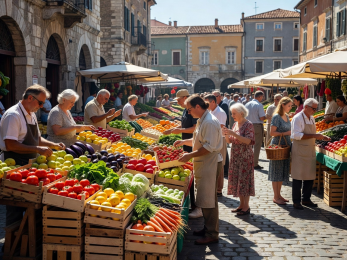
Discover fermentation, wood-smoking, seasonal butchery, bread baking, and the deep communal meaning of town market days.
Practical advice for planning respectful food journeys: deciphering local menus, shopping at morning stalls, and seasonal timing.
Cross a river in Central Europe or a mountain pass in the Alps, and dinner transforms entirely. Why does this happen across relatively short geographic distances?
Three primary forces govern European plates:
Culinary historians frequently describe a cooking fat divide running across Europe. South of this line, olive groves thrive, creating liquid-gold vegetable fat foundations.
North of the line, colder pasturelands support rich dairy farming and pig rearing, making cultured butter and rendered lard the dominant cooking mediums.
"Understanding fat sources is the single easiest way to predict how a European meal is constructed."
Our food atlas is continuously maintained by independent food writers and cultural researchers. Share your local culinary knowledge or ask our editors questions about European regional recipes.