European cuisine is more than a list of recipes. It is a set of preservation techniques, seasonal rhythms, and communal gathering customs developed to survive winter and celebrate abundance.
PRESERVATION SCIENCE
1. Wild Lactic Fermentation & Pickling
Before mechanical refrigeration, fermentation was the cornerstone of European winter survival. In Poland, Germany, the Baltic States, and Scandinavia, autumn cabbages, cucumbers, and beetroots were salted and packed into earthenware crocks.
Lactobacillus bacteria naturally present on plant leaves convert sugars into lactic acid. This acid drops the pH, inhibiting harmful spoilage microbes while enriching the food with complex tartness and essential nutrients. This tradition created classics like sauerkraut, ogórki kiszone (sour brined pickles), and fermented sourdough bread starters.
MEAT & FISH CRAFT
2. Wood Smoking & Charcuterie
The European pork tradition (often centered on the late autumn butcher ritual known as la matanza in Spain or Schlachtfest in Germany) meant utilizing every part of the animal.
Two climatic paths emerged:
- Dry Mountain Curing: In breezy, dry Mediterranean hills (Parma in Italy, Jabugo in Spain), hams were simply salted and air-hung for up to 36 months to produce Prosciutto di Parma and Jamón Ibérico.
- Cold Wood Smoking: In damp, humid Northern forests (the Black Forest, Poland, Scotland), woods like beech, oak, and alder were burned slowly to infuse hams, bacons, and fish with preservative antimicrobial compounds.
VILLAGE LIFE
3. Communal Baking & Sourdough Guilds
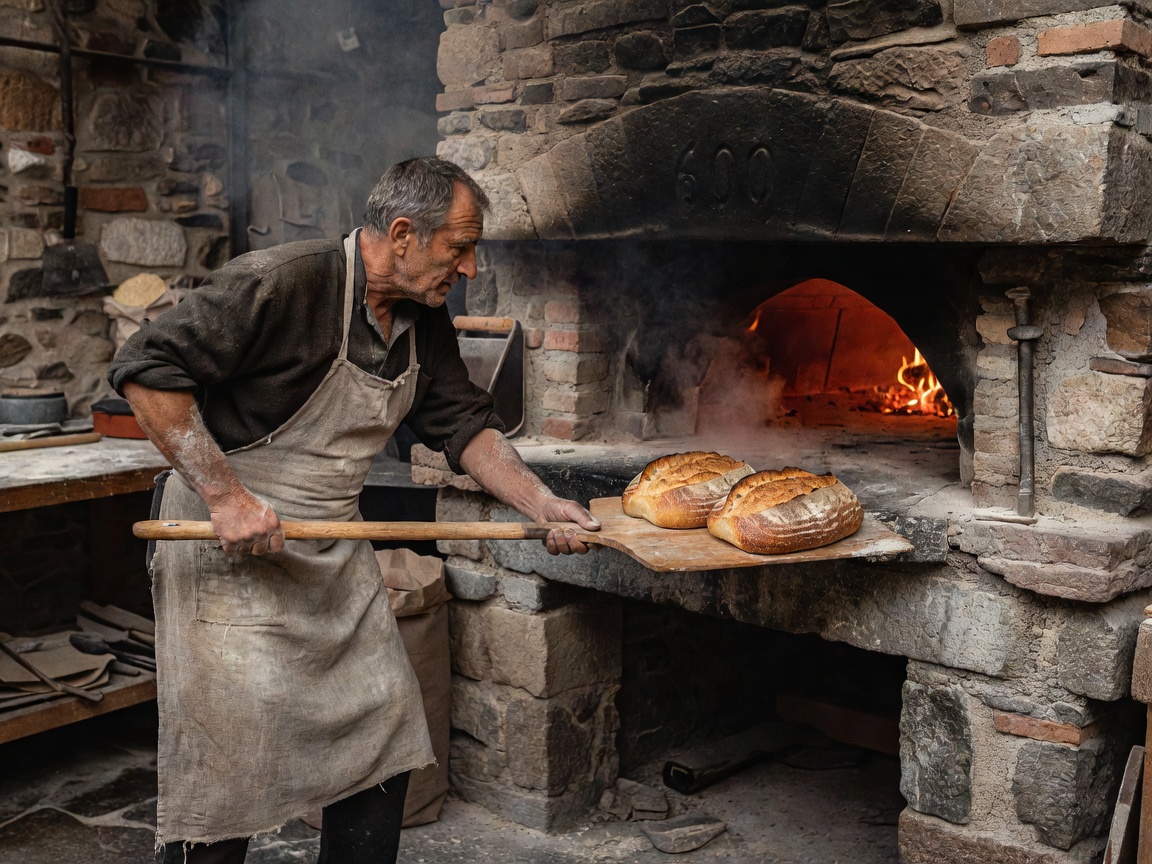
In traditional Alpine and Mediterranean villages, heating individual domestic ovens was too expensive. Instead, towns maintained a communal stone bread oven (four banal in France).
Families prepared their sourdough loaves at home, stamped each dough with their family symbol, and brought them to the communal oven on a designated baking day once every week or two. This practice shaped the massive, crusty, long-lasting sourdough boules that still define European bakeries today.
SOCIAL CUSTOM
4. Morning Markets & The Apéritif Ritual
European food culture remains tied to the daily or semi-weekly open-air market. Rather than buying weeks of packaged goods at once, cooks buy smaller quantities of what is in peak seasonal condition that very morning.
Directly linked to this is the pre-dinner ritual: the Italian Aperitivo, Spanish Tapeo, or French Apéritif. Work ends, and communities gather in town squares to share small bitter drinks, olives, nuts, and small savory bites (pinchos or cicchetti) to stimulate appetite and community connection before dinner.
Modern Adaptation vs. Historical Memory
Many customs that began out of economic necessity—such as eating organ meats (offal), picking wild greens, or stretching meat with breadcrumbs and lentils—are now celebrated as sophisticated culinary art. Understanding why a grandmother in Provence or an Alpine cheesemaker works in a specific way brings deeper appreciation than merely reading a modern restaurant menu.