European recipes are records of resourcefulness. Explore how standard pantry crops turned into legendary regional plates with disputed histories and precise regional techniques.
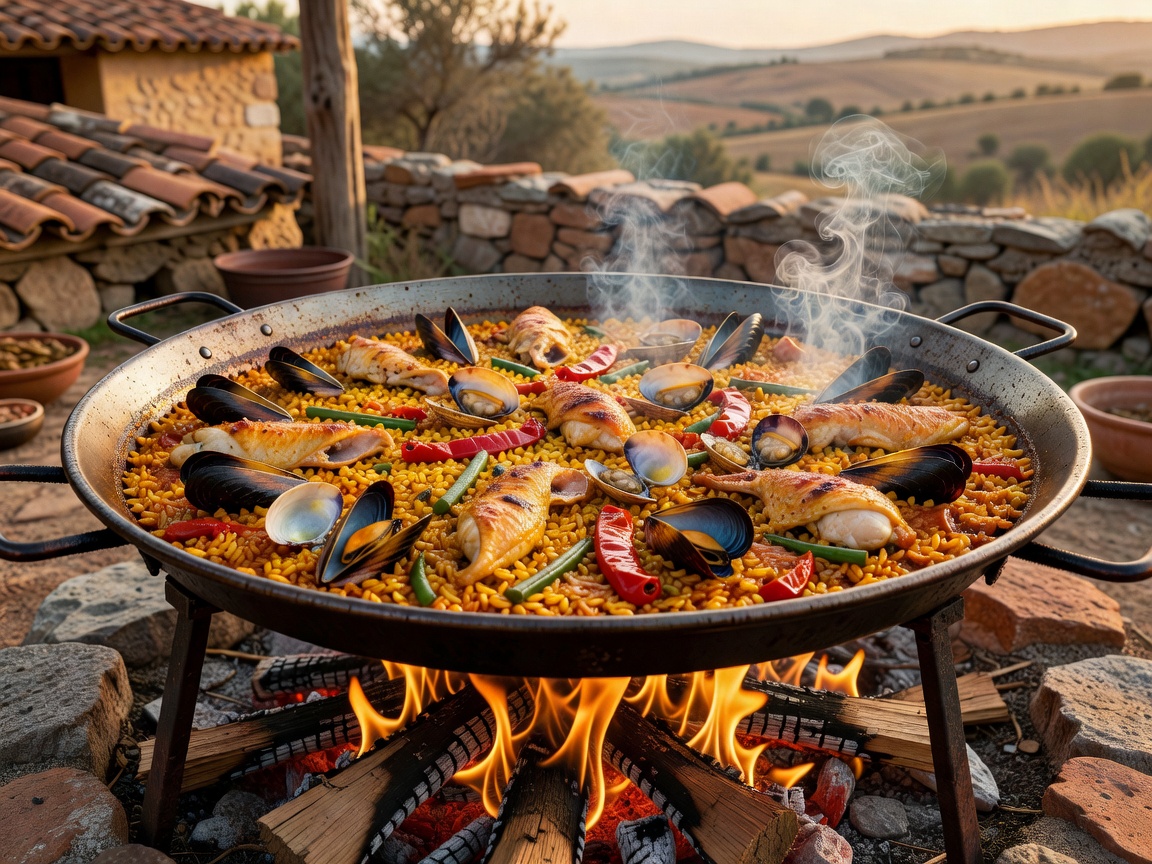 VALENCIA, SPAIN
Paella Valenciana
Key Elements: Bomba short-grain rice, rabbit, chicken, green beans (bajoqueta), large white lima beans (garrofó), saffron, rosemary.
Historical Context: Developed by agricultural laborers around the Albufera freshwater lagoon in Valencia. Cooked over open orange-wood fires, field workers combined locally cultivated rice with whatever was available in the orchards and canals.
What Makes It Distinctive: The holy grail of a genuine paella is socarrat—the savory, caramelized crust formed at the base of the wide, shallow pan where rice starch and rendered cooking juices crisp without scorching. Seafood and mixed meat versions are modern adaptations.
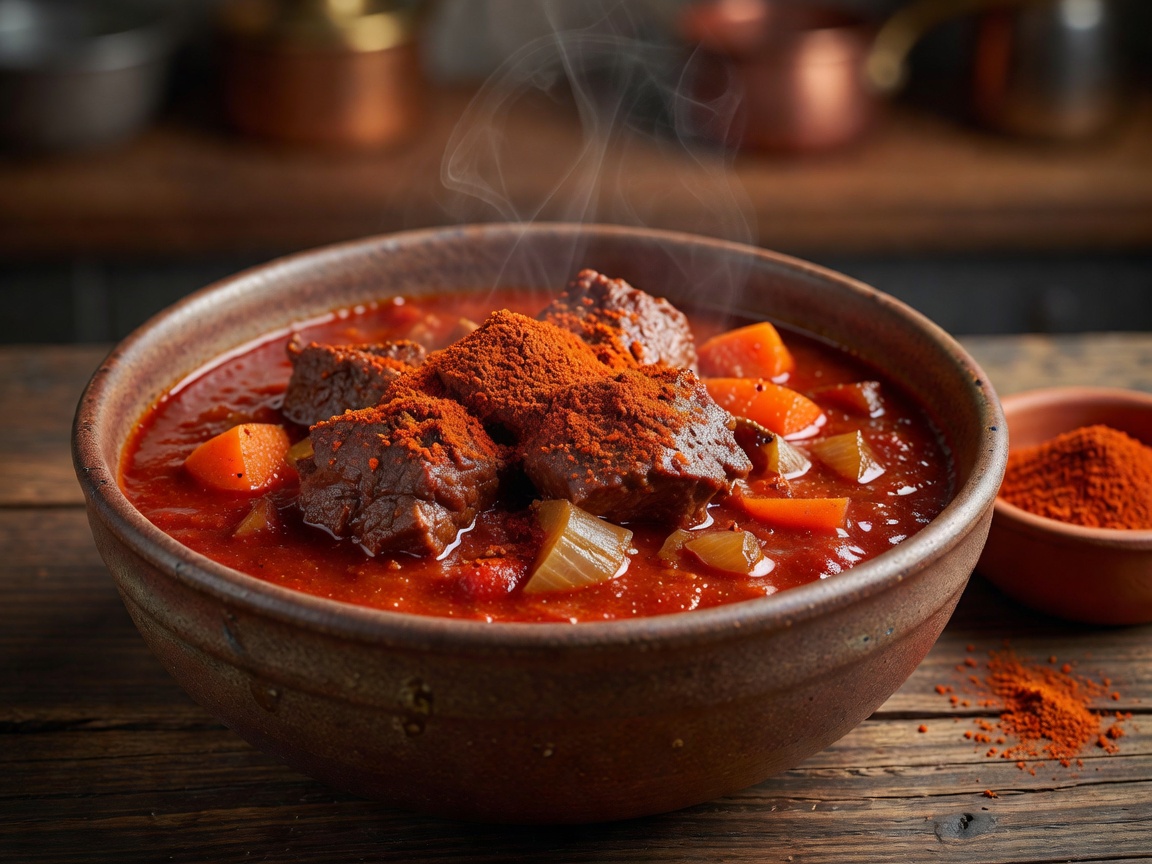 PANNONIAN BASIN, HUNGARY / CENTRAL EUROPE
Gulyás / Goulash
Key Elements: Beef shank or chuck, lard, heavy onions, ground sweet Hungarian paprika, caraway seeds, potatoes, root vegetables.
Historical Context: Originating with the gulyások (Hungarian cattle herders of the Great Plain) as early as the 9th century. Originally a simple boiled meat soup, it transformed completely in the 18th century when ground dried paprika peppers arrived and revolutionized Central European cooking.
Disputed Variations: In Hungary, gulyás remains a rich soup, while thickened, heavy meat stews are properly termed pörkölt. Across Austria and the Czech Republic, thickened versions became pub staples served alongside bread dumplings.
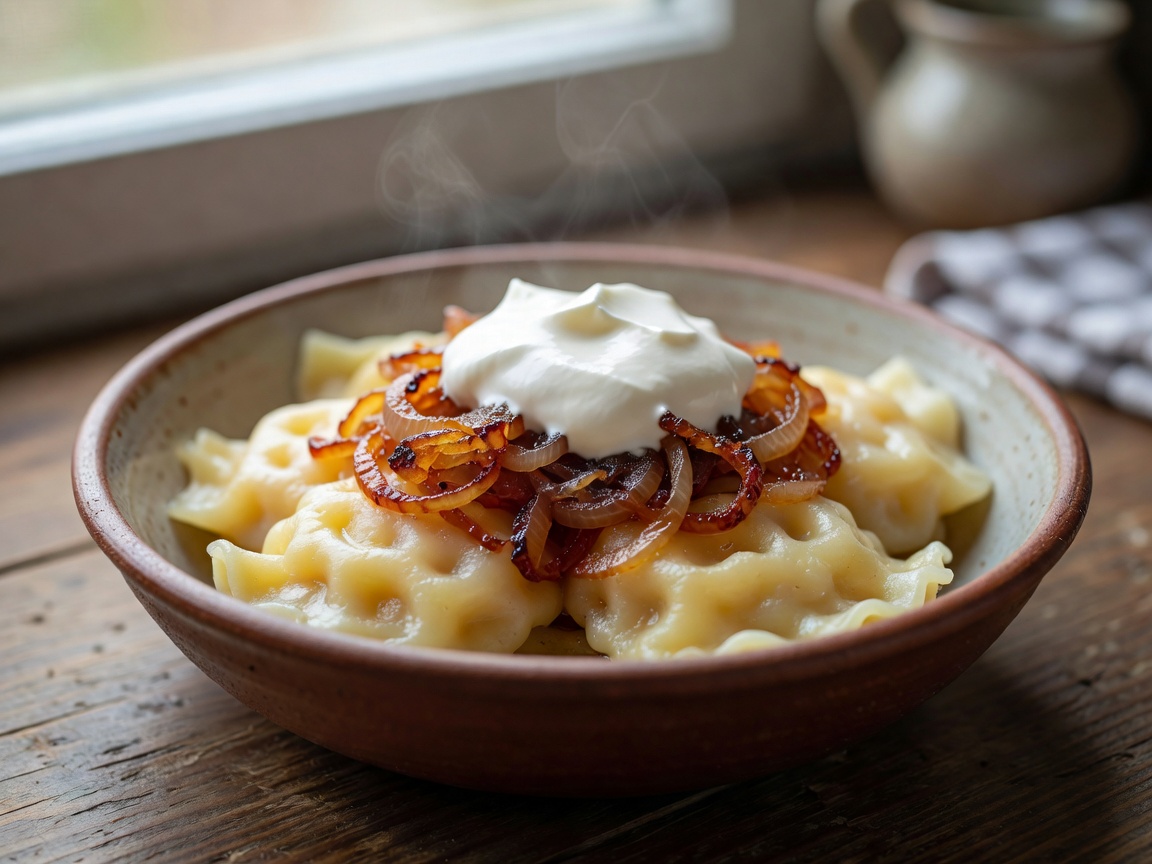 POLAND, UKRAINE & CENTRAL/EASTERN EUROPE
Pierogi / Varenyky
Key Elements: Unleavened wheat flour and water dough, fillings of curd cheese (twaróg) with mashed potato (Ruskie), minced meat, sauerkraut, wild mushrooms, or summer blueberries.
Historical Context: Dumpling traditions crossed Eurasia centuries ago. In Central and Eastern Europe, pierogi became essential ceremonial food for Christmas Eve (Wigilia) and harvest feasts, turning inexpensive flour and stored root crops into deeply satisfying pockets.
What Makes It Distinctive: First gently boiled until floating, then frequently pan-finished in sizzling butter with sweet caramelized onions and crispy lardons, served with chilled cultured sour cream (śmietana).
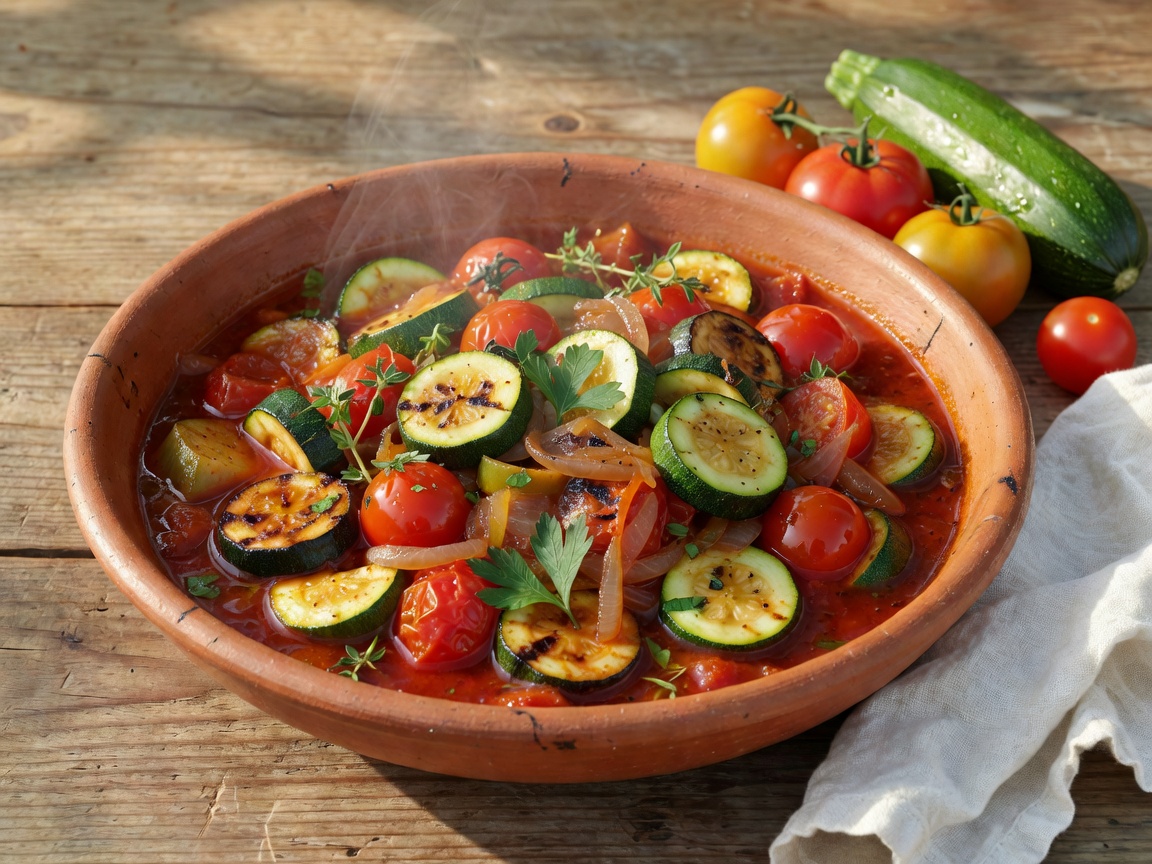 PROVENCE, FRANCE
Ratatouille Niçoise
Key Elements: Eggplant (aubergine), zucchini (courgette), bell peppers, ripe tomatoes, onions, garlic, thyme, bay leaves, extra virgin olive oil.
Historical Context: A humble summer stew originating in Nice among peasant farmers who needed to utilize an overwhelming glut of garden produce during peak Mediterranean heat.
Culinary Method: True traditional ratatouille requires cooking each vegetable separately in olive oil first so each ingredient softens and develops its own flavor before being combined for a final gentle stewing, preventing the dish from turning into mush.
 SLOVAKIA & CARPATHIAN REGION
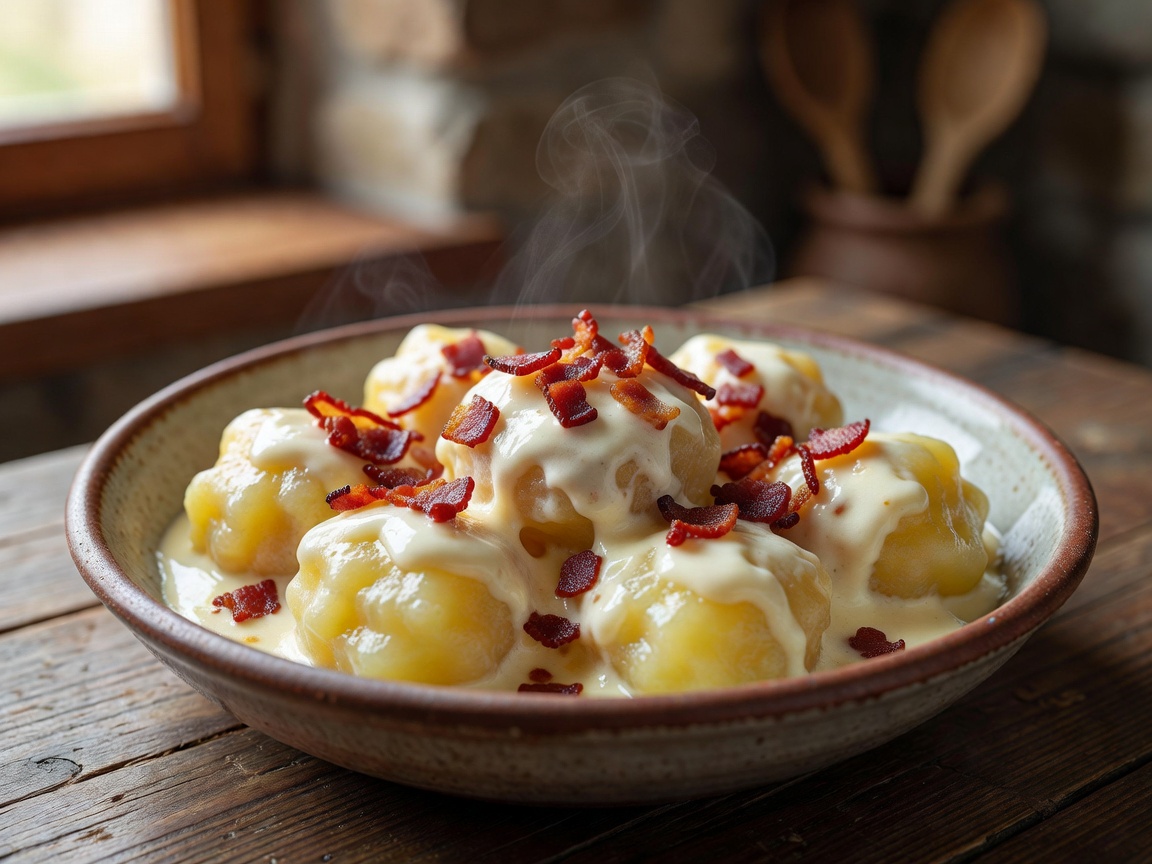
Bryndzové Halušky
Key Elements: Raw grated potato and flour drop dumplings (halušky), salty unpasteurized sheep milk cheese (bryndza), smoked pork fat (slanina).
Historical Context: Mountain shepherds (Valachs) grazing sheep across the steep Carpathian ranges developed this high-energy meal. Bryndza is an ancient, tangy, crumbly sheep cheese cured in wooden casks.
What Makes It Distinctive: The hot, tender potato dumplings are tossed directly with the pungent sheep cheese until it melts into a rich, salty cream sauce, topped with crunchy smoked pork fat drippings.
 DENMARK & SCANDINAVIAN REGION
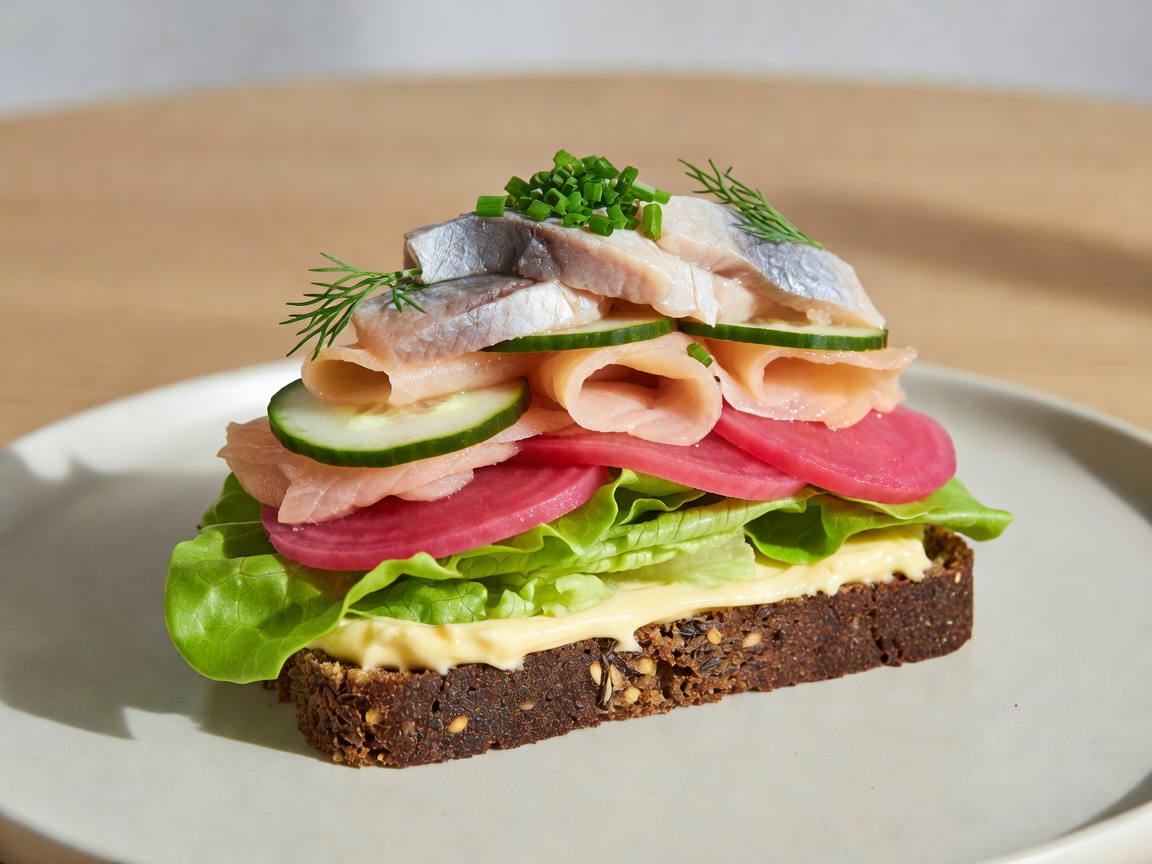
Smørrebrød (Open Rye Sandwich)
Key Elements: Dense sourdough rye bread (rugbrød), salted cultured butter, pickled herring, roast beef with remoulade, smoked salmon, dill, fresh horseradish.
Historical Context: Began as simple lunch-box meals for 19th-century factory workers carrying leftover dinner meats on hearty sourdough rye. In Copenhagen, it evolved into an exacting art form with strict rules on topping order.
What Makes It Distinctive: Eaten exclusively with a knife and fork. There is an established tasting sequence: fish (herring) first, followed by meats, and finishing with cheese.
Good to Know: The Reality of Food Origins
Dishes like Moussaka, Baklava, and Schnitzel share interwoven histories across modern boundaries. Baklava and Moussaka were prepared across the Ottoman Empire for centuries, giving Greece, Turkey, and Balkan nations shared custody of these classics. Similarly, the breaded veal cutlet moved between Northern Italy (Cotoletta alla Milanese) and Vienna (Wiener Schnitzel).
Rather than searching for a single "inventor nation," understanding a dish means appreciating how local cooks adapted regional techniques to what their soil and climate provided.